




 06:02 2026-04-29
Japan is the world leader in the number of business elders. In a previous article, we examined the phenomenon of Kongo Gumi (578) and the hotel Nishiyama Onsen Keiunkan (705), which proved that survival matters more than aggressive growth. But the shinise strategy of long‑established companies, with its long‑term will and systemic thinking, is not an exclusive Eastern privilege. In Europe and other regions, there are also firms whose foundations were laid before modern states existed. These brands teach the art of adaptability: they changed methods but never abandoned their principles.
 682
682 9
9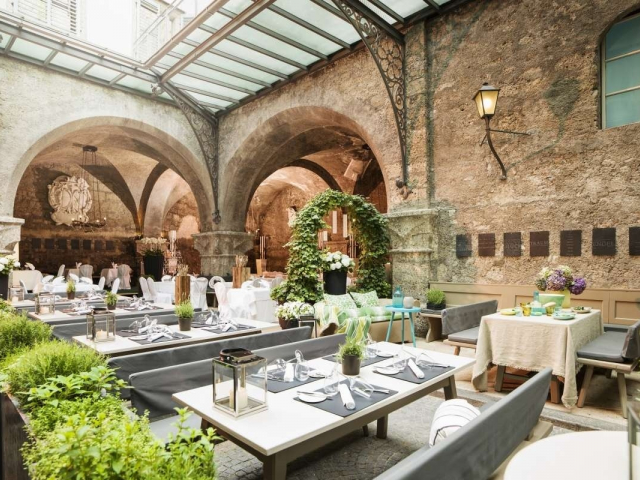
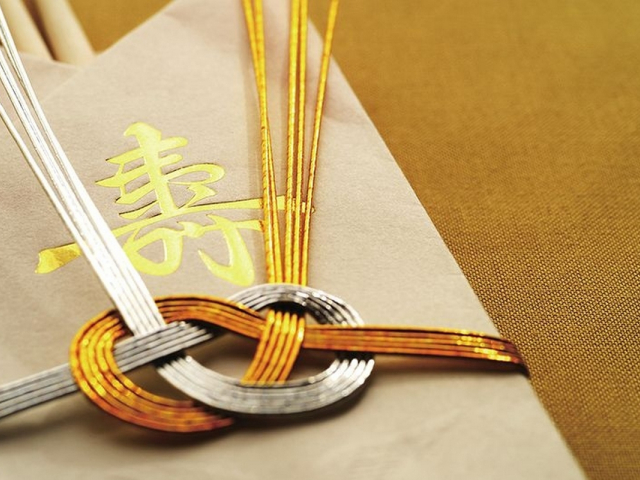
Genda Shigyo (Japan, 771) — ceremonial paper goods
If Kongo Gumi builds temples, Genda Shigyo supplies their inner ritual elements. This Kyoto company has produced mizuhiki — intricate braided paper cords used on wedding and funeral gifts — for more than 1,200 years. The secret of the company’s longevity lies in the conservatism of Japanese ritual. While the world went digital, the Japanese continued to honor traditions that require physical embodiment. Genda Shigyo survived because it became part of the national DNA. The lesson is the most reliable niche is the one woven into a people’s cultural code.
St. Peter Stiftskulinarium (Austria, 803) —restaurant business
Located within the walls of St. Peter’s Abbey in Salzburg, this restaurant is officially regarded as the oldest in Europe. It appears in documents dating back to Alcuin, Charlemagne’s scholar. Mozart and Christopher Columbus dined there. The restaurant has survived countless wars and regime changes, turning its history into a primary marketing asset. Quality food and hospitality never go out of style, but the place is also a portal to the past. Guests pay for the chance to touch something that feels eternal.
The Royal Mint (United Kingdom, 886) — coinage
The Royal Mint was founded under Alfred the Great and has become an unbreakable business institution. It struck coins for British monarchs for centuries, later moving from the Tower of London to automated plants. In the age of digital currencies, the Mint did not surrender. It diversified into recycling precious metals from electronics and issuing collectible tokens. The Mint’s lesson in adaptability: long‑built competencies — metalworking and trust — open new opportunities.
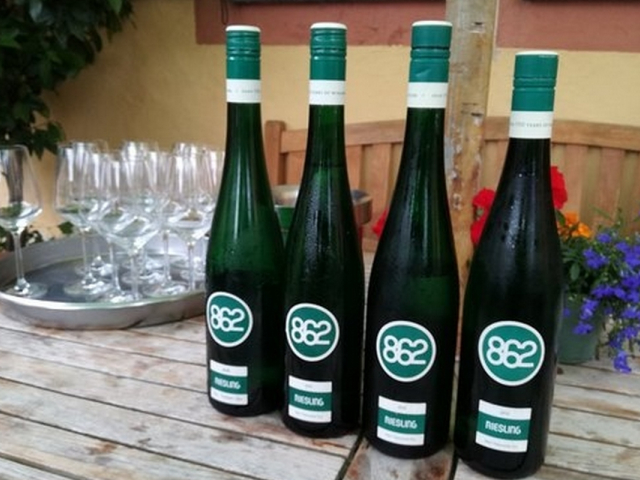
Staffelter Hof (Germany, 862) — winemaking
This Mosel Valley winery began when Lothair II gifted land to an abbey. For more than a thousand years, it has produced Riesling that moved from monastic cellars to elite restaurants worldwide. Staffelter Hof is a model of resilience. It survived Viking raids, the plague, and two world wars. Its success rests on a deep understanding of terroir — the land that endures even when national borders change. This business depends on patience: vineyards need decades to strengthen and centuries to become legendary.
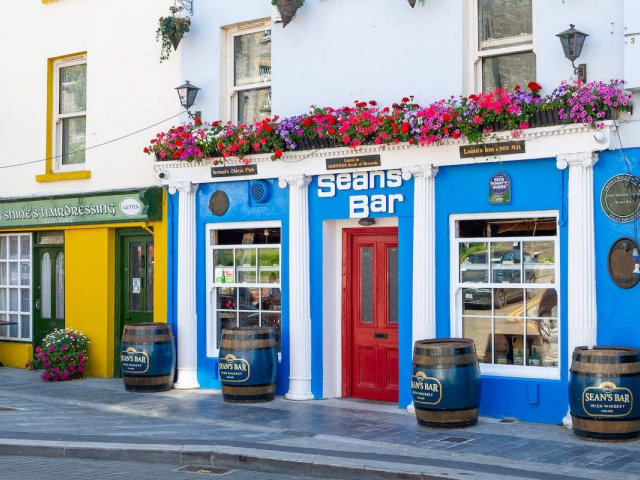
Sean’s Bar (Ireland, 900) — pub
Located in the heart of Ireland, Sean’s Bar is officially recognized as Europe’s oldest pub. Archaeological study of its walls revealed fragments of wattle and clay dating to the early 10th century. Over 1,100 years, it changed owners many times, but its essence remained the same — a place for conversation and news. Sean’s Bar succeeded because it embodies the “third place” concept: neither home nor work. In a world growing more virtual, physical gathering points like this become ever more valuable.
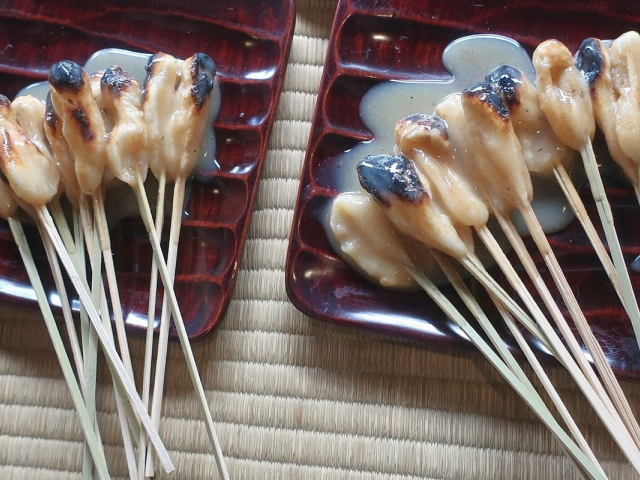
Ichimonjiya Wasuke (Japan, 1000) — confectionery
This family shop in Kyoto has sold the same product for a thousand years — aburi‑mochi (grilled rice cakes with soy paste). Founded to feed pilgrims seeking protection from the plague, the business is now run by the twenty‑fifth generation of the family. They deliberately refuse expansion and franchising to avoid losing control over quality and the spirit of the place. This is a small but perfect strategy. You do not have to conquer the world to endure. Sometimes it is enough to do one thing better than anyone else in your neighborhood.
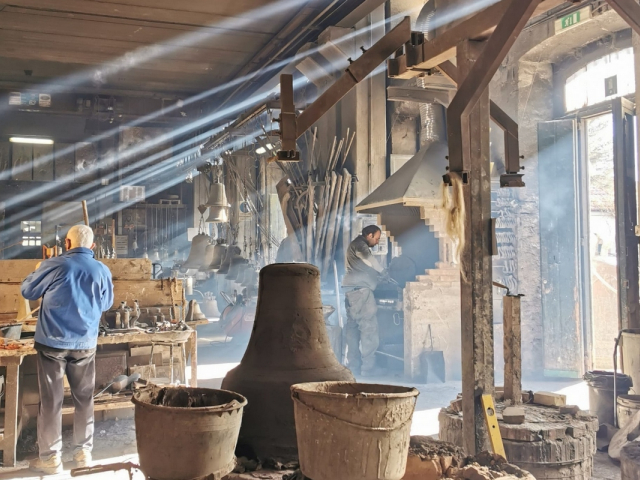
Pontificia Fonderia Marinelli (Italy, 1040) — bell casting
The foundry in Agnone has supplied bells to the Vatican and the world’s great cathedrals for nearly a millennium. The technology has changed little: wax, clay, and molten bronze. The Marinelli family has owned the operation since its founding. Their strength lies in a high barrier to entry: casting massive bells requires craft knowledge passed down from grandfather to grandson, not learned from textbooks. This is a business that sounds through the centuries. It proves that a narrow, almost mystical craft is the best shield against competition and technological shocks.
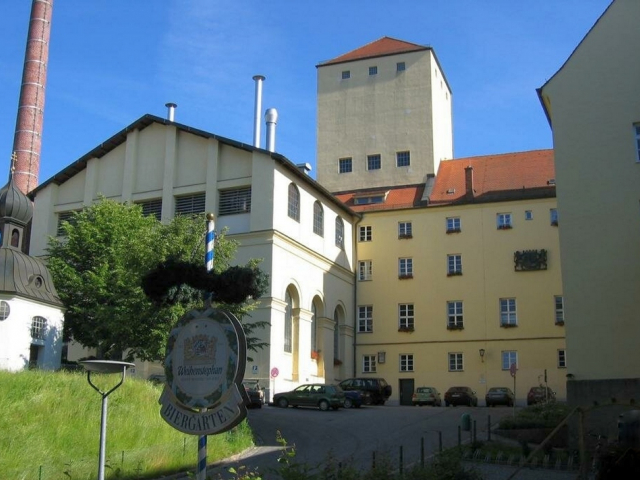
Weihenstephan Brewery (Germany, 1040) — brewing
Weihenstephan began as a Benedictine monastery brewery. Today, it is the oldest operating brewery in the world and combines centuries‑old tradition with cutting‑edge science — it even hosts an institute of brewing. Their secret is a standard of purity. They survived fires, earthquakes, and epidemics, rebuilding time and again. The brewery endured because its product became a benchmark of German quality. Eternal business is possible when you set the rules for your industry.
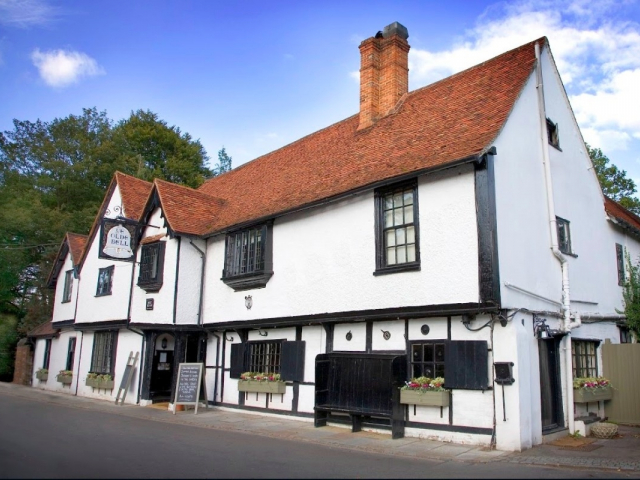
The Olde Bell (United Kingdom, 1135) — hospitality
Founded as a refuge for pilgrims to the abbey, this Berkshire inn has operated for nearly 900 years. Its walls have hosted Winston Churchill and Elizabeth Taylor. The Olde Bell sells the atmosphere of British antiquity. The company survived the transportation revolution — from horse coaches to high‑speed trains — by continually adapting service to travelers’ expectations. This is a lesson about being flexible: the building may be old, but the service must be modern. Longevity here is not dust on shelves but the ability to be a relevant classic in any era.


-
Grand Choice
Contest by
InstaForexInstaForex always strives to help you
fulfill your biggest dreams.JOIN CONTEST -
Chancy DepositDeposit your account with $3,000 and get $4000 more!
In July we raffle $4000 within the Chancy Deposit campaign!
Get a chance to win by depositing $3,000 to a trading account. Having fulfilled this condition, you become a campaign participant.JOIN CONTEST -
Trade Wise, Win DeviceTop up your account with at least $500, sign up for the contest, and get a chance to win mobile devices.JOIN CONTEST


