



 14:18 2026-01-21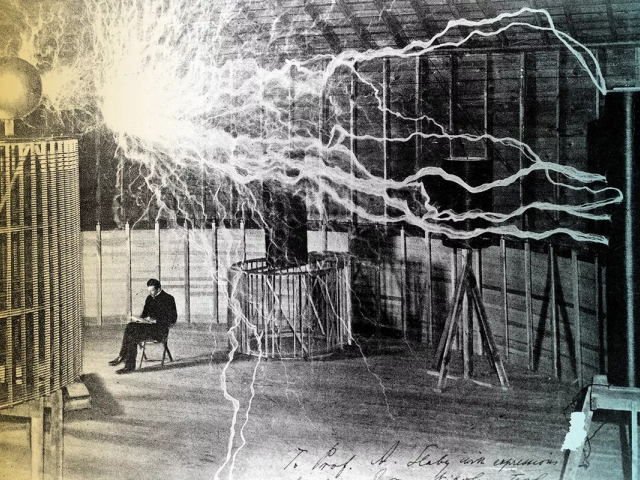
 590
590 8
8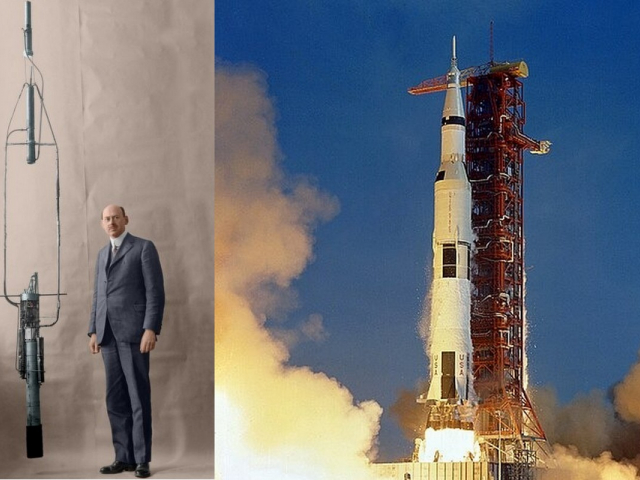


Alternating current (AC): Tesla’s “deadly fantasy”
Thomas Edison mounted a full‑scale campaign against Nikola Tesla’s alternating current, calling it extremely dangerous and “insane.” Edison even publicly electrocuted animals to frighten people. Yet it was alternating current that made it possible to transmit power over vast distances, enabling the electrification of the planet. Tesla’s seemingly mad vision triumphed over Edison’s pragmatism, lighting every home on Earth and creating the modern power system.
Rocketry: Robert Goddard, the “moon lunatic”
In 1920, The New York Times published a scathing article about Goddard, claiming his idea of spaceflight was ridiculous because a rocket in a vacuum would have “nothing to push against.” The scientist was mocked as someone who did not understand basic school physics. The paper only issued an official apology in 1969, the day after Apollo 11 launched for the Moon. Goddard’s “madness” paved the way to the stars, proving physical laws work even when journalists don’t believe them.
Hand hygiene: Ignaz Semmelweis’s “madness”
In the mid‑19th century, the idea that doctors should wash their hands before delivering babies provoked outrage in the medical community. Semmelweis noted a link between hand cleanliness and mortality, but colleagues ridiculed him, saying, “a gentleman cannot have dirty hands.” His ideas were deemed insane, and the doctor was confined to an asylum. Today, antiseptic practice is a foundation of medicine — a tragic example of how prejudice can block lifesaving innovations for decades.
Telephone: “a toy unworthy of serious attention”
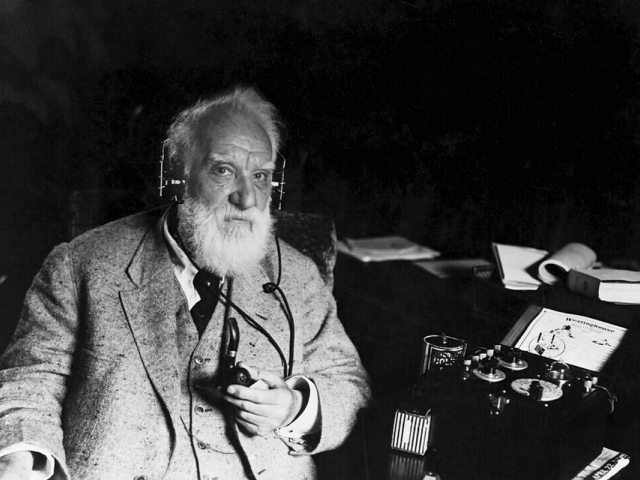
In 1876, a confidential Western Union memo stated, “This device is of too little value to be seriously considered as a means of communication. It has no value for us.” Alexander Graham Bell asked $100,000 for his patent and was rebuffed. Two years later, those same people would have paid millions. The “mad” idea of transmitting voice over wires destroyed the telegraph monopoly and created a world in which we are always connected.
Heavier‑than‑air machines: Lord Kelvin’s prediction
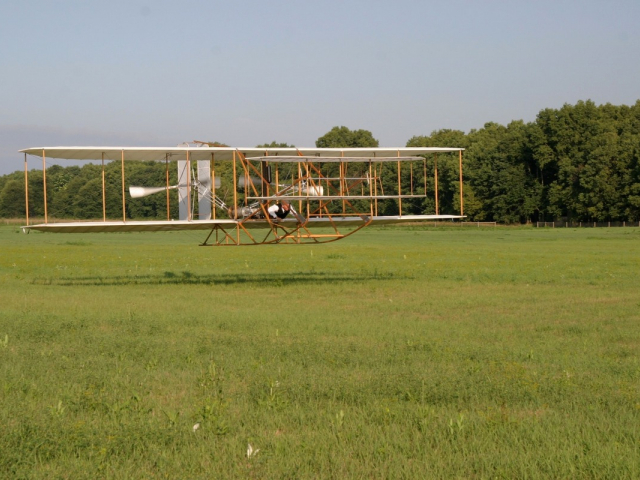
In 1895, Lord Kelvin, president of the Royal Society, declared flatly, “Heavier‑than‑air flying machines are impossible.” One of his era’s greatest scientists called aviation a mathematical absurdity. Eight years later, the Wright brothers made their first flight. It reminds us that even the highest authorities can be wrong about the limits of human imagination and engineering.
Continental drift: Alfred Wegener’s “geological fairy tale”
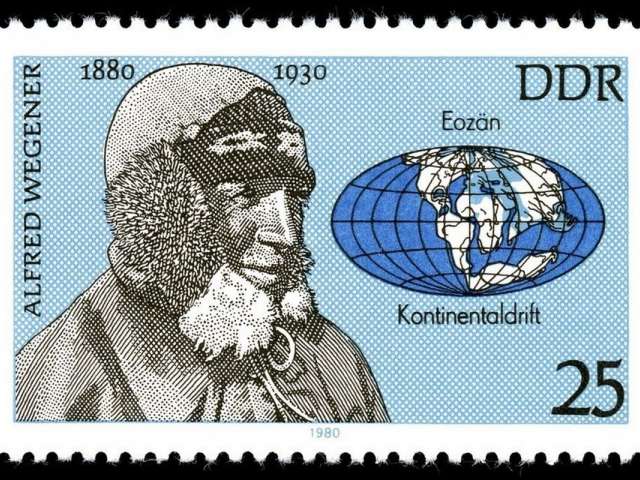
When meteorologist Alfred Wegener proposed in 1912 that continents move and were once joined as a single landmass (Pangaea), geologists worldwide laughed at him. He was called an amateur, and his theory dismissed as “the ravings of a sick imagination.” It took fifty years and the discovery of plate tectonics for the world to recognize he was right. This shows how narrow specialization can prevent scientists from seeing the big picture hidden behind obvious facts.
Digital photography: Kodak’s fatal mistake
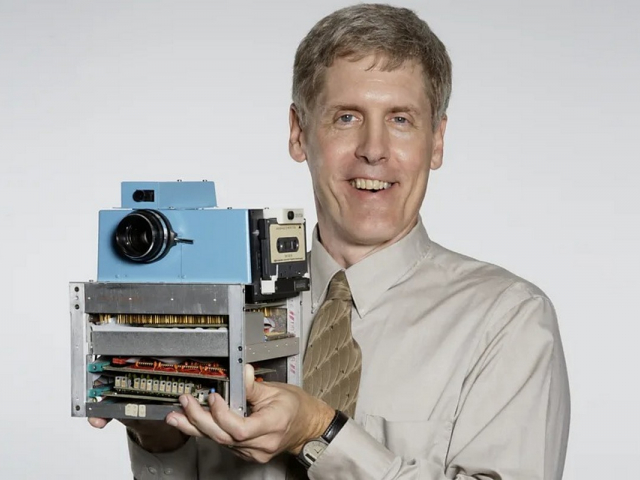
In 1975, Kodak engineer Steven Sasson invented the first digital camera. The company’s management called the idea of “filmless photography” crazy: “That’s cute, but don’t tell anyone about it.” They feared it would destroy their film business. Refusing to lead that “madness” ultimately led Kodak to bankruptcy and ushered the world into the era of Instagram and smartphones. Sasson’s story is a lesson: if you don’t lead the disruptive change, it will destroy you.
Personal computer: “why would anyone want one at home?”
In 1977, Ken Olsen, founder of Digital Equipment Corp., said, “There is no reason anyone would want a computer in their home.” At the time, a computer was seen as a huge calculation cabinet, not a tool for creativity and communication. The idea of a home PC seemed economically absurd. Yet Steve Jobs and Bill Gates believed in that “madness” and transformed computing from a planning tool into the center of everyday life.


-
Grand Choice
Contest by
InstaForexInstaForex always strives to help you
fulfill your biggest dreams.JOIN CONTEST -
Chancy DepositDeposit your account with $3,000 and get $10000 more!
In January we raffle $10000 within the Chancy Deposit campaign!
Get a chance to win by depositing $3,000 to a trading account. Having fulfilled this condition, you become a campaign participant.JOIN CONTEST -
Trade Wise, Win DeviceTop up your account with at least $500, sign up for the contest, and get a chance to win mobile devices.JOIN CONTEST


